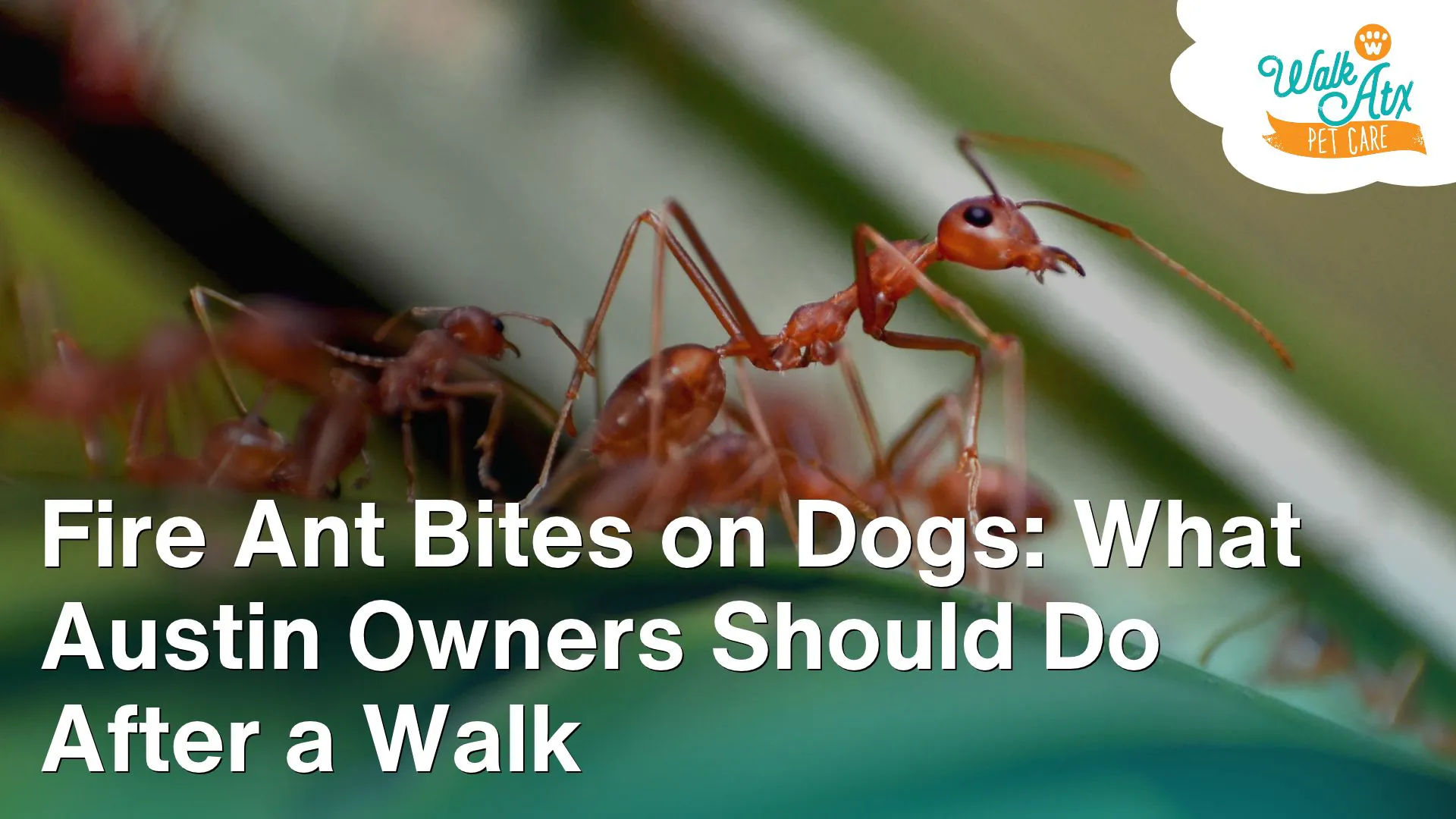
If you’ve lived in Austin for more than a few weeks, you’ve probably met fire ants. Their mounds pop up in yards, parks, medians, and along trails, often right where a curious dog wants to sniff. Most fire ant stings on dogs are painful but mild. Some dogs, though, can have serious allergic reactions.
Here’s how to spot fire ant stings, what to do as soon as you get home, and when it’s time to call the vet.
Why Fire Ants Are Such a Problem in Central Texas
Red imported fire ants are common across much of Texas, including the Austin area. They build loose mounds of soil in sunny, open areas like lawns, ballfields, and park edges. After a rain, new mounds often pop up seemingly overnight.
When a mound is disturbed, fire ants swarm out quickly and sting over and over. A dog who steps on or sniffs a mound can collect a lot of ants in just a few seconds.
Although people often call them “bites,” fire ants actually grab on with their jaws and then sting. The venom is what causes the burning pain and the bumps that follow.
Signs of Fire Ant Stings on Dogs
Stings usually show up on the parts of your dog that touch the ground or investigate first: paws, legs, belly, and muzzle. Look for:
- Sudden yelping, jumping, or frantic licking or biting at the paws
- Limping or holding up a paw
- Small red, swollen bumps
- Small white pustules that can form at sting sites
- Rubbing the face on the ground or pawing at the muzzle
Dogs with thin coats or short fur on their bellies may show more visible bumps. Puppies, small dogs, seniors, and dogs with limited mobility can be at higher risk because they may not get away from a mound as quickly.
What to Do Right After a Walk
- Move your dog away from the mound. Get to a spot with no ants before you do anything else.
- Remove the ants. Quickly brush ants off your dog’s fur and paws. Check between the toes, on the belly, and around the face. Fire ants will sting you too, so work fast and protect your hands if you can.
- Rinse with cool water. A gentle rinse can help wash away remaining ants and soothe the skin.
- Watch your dog closely for the next few hours. Mild reactions usually stay limited to bumps and some itching or tenderness.
- Call your vet for guidance. Ask before giving any medication, including over-the-counter antihistamines. The right choice and dose depend on your dog.
- Keep your dog from licking or chewing the sting sites. Scratching and licking can irritate the skin and lead to infection.
When It’s an Emergency
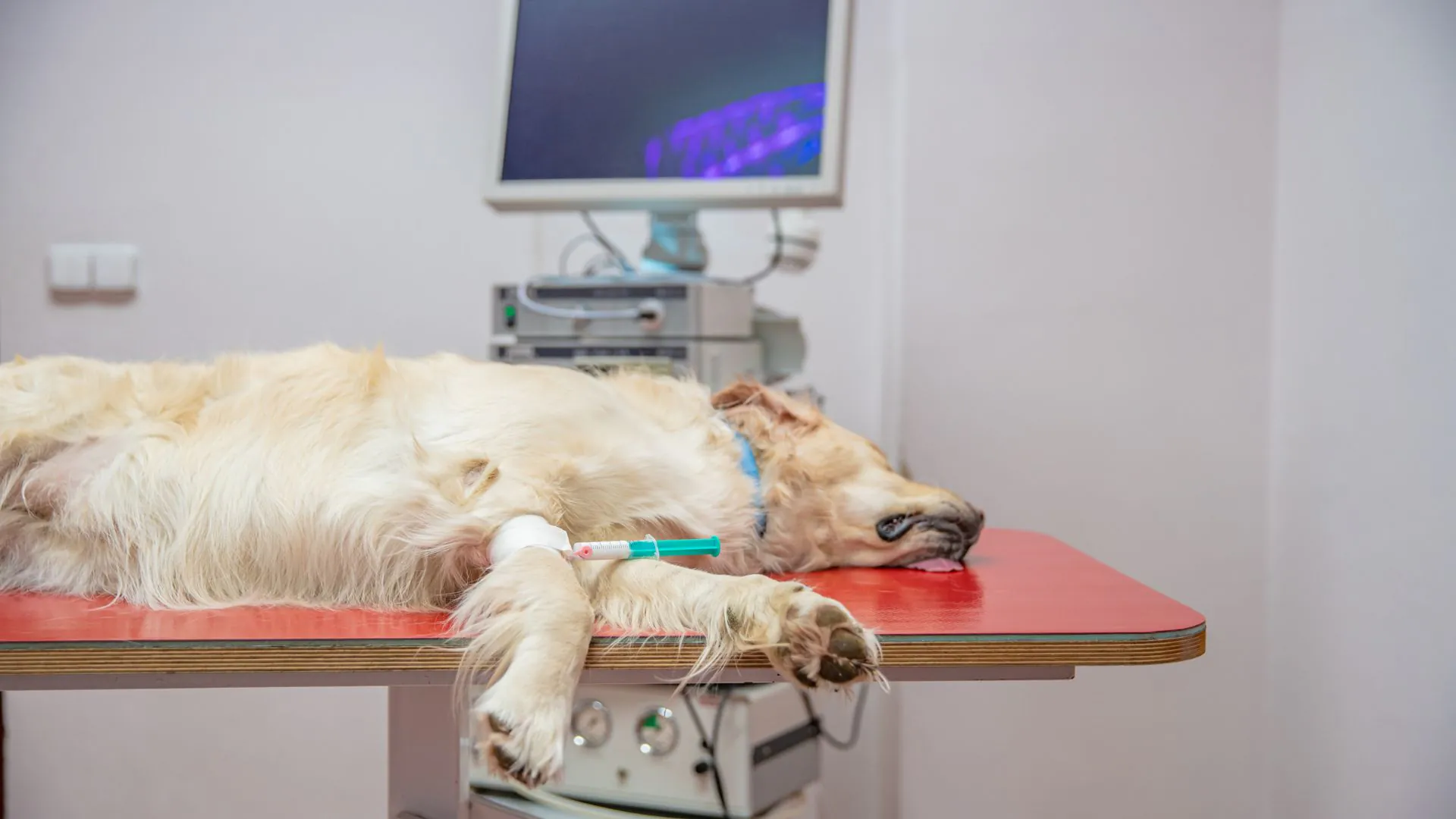
Some dogs have an allergic reaction to fire ant venom, and a severe reaction can become life-threatening. Go to your vet or the nearest 24-hour emergency animal hospital right away if you notice:
- Swelling of the face, muzzle, eyes, or throat
- Hives spreading across the body
- Trouble breathing, heavy panting, or noisy breathing
- Vomiting or diarrhea
- Weakness, pale gums, or collapse
- A very large number of stings, especially on a small dog or puppy
Call ahead on the way so the clinic can be ready for you. Also call your vet if bumps look infected later on, with increasing redness, warmth, or discharge.
How to Avoid Fire Ants on Austin Walks
- Scan the ground ahead. Fire ant mounds look like loose, fluffy piles of dirt, often in sunny grass. Steer your dog around them.
- Keep your dog on a leash in grassy areas. It’s much easier to steer around a mound when your dog is right beside you.
- Be extra careful after rain. New mounds pop up fast after a storm, even in places you walked the day before.
- Pick sidewalks and well-used paths. On days when your dog is extra sniffy, stick to routes with less unmowed grass.
- Do a quick paw check after every walk. Look between the toes for ants, burrs, and anything else stuck in the fur.
- Manage mounds in your own yard. If you treat your yard for fire ants, choose pet-safe options and follow the label exactly, keeping your dog away from treated areas as directed.
Fire ants are just one part of walking a dog safely in Central Texas. Our guides on protecting your dog’s paws from hot pavement and when to skip a dog walk cover more seasonal safety tips.
Frequently Asked Questions
Are fire ant bites dangerous to dogs?
Most fire ant stings cause painful, itchy bumps that fade over time. But some dogs have allergic reactions, and many stings at once can be serious, especially for small dogs and puppies. Watch your dog closely and call your vet if you’re unsure.
How long do fire ant bites last on dogs?
Mild bumps often improve over several days. If they get worse, look infected, or your dog can’t stop licking them, call your veterinarian.
Can I give my dog Benadryl for fire ant bites?
Only if your veterinarian tells you to. Some human medications aren’t safe for dogs, and dosing depends on your dog’s size and health. Always call your vet first.
Walks You Can Feel Good About
At Walk! ATX, safety comes first on every walk. Our team is certified in pet first aid and CPR, and clients can reach us 24/7 by phone or text when something doesn’t seem right. If your pup needs a reliable walking routine, learn more about our Austin dog walking services or keep an eye out for other warning signs with our guide to signs your dog is sick.