Between commutes, long shifts, and everything Austin has going on, most of us can’t be home with our dogs all day. That’s normal, and plenty of dogs do just fine with some alone time. But “how long is too long?” depends on your dog’s age, health, and personality.
Below is a simple age-by-age guide, the signs your pup needs more company, and some practical ways to break up a long day.
The Quick Answer: Alone-Time Guidelines by Age
These are general rules of thumb, not hard limits. Every dog is different, and your veterinarian knows your dog best.
- Young puppies (under about 3 months): Very short stretches only. Many young puppies can’t hold their bladder for much more than an hour or two, so they need frequent potty breaks.
- Puppies 3 to 6 months: The American Kennel Club’s rule of thumb is roughly one hour for every month of age. A 4-month-old puppy can usually manage about 4 hours.
- Adult dogs (6 months and older): The AKC notes that most adult dogs can generally hold it for up to about six hours. Some dogs can stretch longer, but a full workday without a break is a lot to ask.
- Senior dogs: Older dogs often need more frequent potty breaks, and dogs with health conditions or medications may need even more. Ask your vet what’s realistic for your dog.
Keep in mind that “can hold it” isn’t the same as “is happy.” Dogs are social animals, and even an adult dog who can physically wait six hours may get bored, restless, or anxious along the way.
It’s Not Just the Bladder: Other Things That Matter
Energy level and breed
A young, high-energy dog who sits alone all day will often find their own entertainment, and it usually involves your couch or shoes. Lower-key dogs may handle quiet hours better. If you have a working breed or an athletic pup, plan for more activity during the day. Our guide to how much exercise your dog needs can help you figure out the right amount.
Separation anxiety
Some dogs feel stressed whenever they’re alone, no matter how short the time. Newly adopted dogs and rescues may be especially sensitive while they settle in. If you’re seeing signs of distress, check out our post on dealing with your pet’s separation anxiety.
Austin heat
From late spring through early fall, Austin heat is a real factor. If your dog is home alone, make sure the AC is set to a safe temperature, fresh water is always available, and you have a plan if the power goes out. If your dog has outdoor access while you’re away, they need full shade and water. In the hottest months, it’s safest to keep dogs indoors while you’re gone.
Your schedule
Austin commutes can turn an 8-hour workday into 10 or more hours away from home. Nurses and other healthcare workers on 12-hour shifts face even longer days. When you add it up, the gap between your dog’s needs and your time away can be bigger than you think.
Signs Your Dog Is Alone Too Long
Your dog can’t tell you their day was too long, but they’ll often show you. Watch for:
- Potty accidents in a dog who is already house-trained
- Chewing, digging, or other destructive behavior
- Excessive barking or howling (neighbors may mention it before you notice)
- Over-the-top excitement or clinginess when you get home
- Restlessness in the evening, or trouble settling down
- Weight gain or a general lack of energy from too little activity
If you see these signs, it doesn’t mean you’re doing something wrong. It may just be time to break up your dog’s day.
How to Make Alone Time Easier
Start the day with exercise
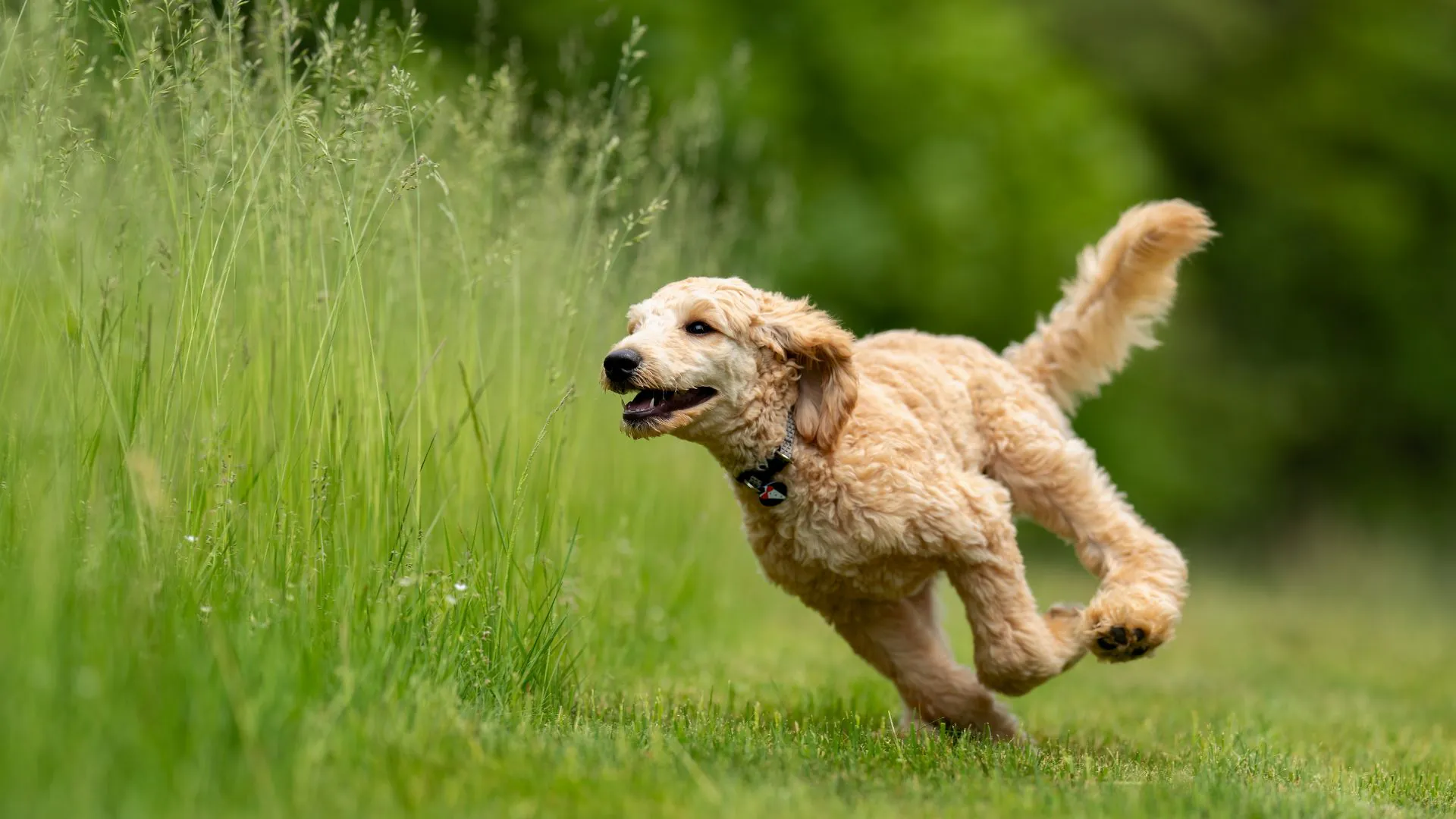
A good morning walk or play session before you leave helps many dogs settle in and rest while you’re gone. A tired dog is usually a calmer dog.
Give their brain something to do
Puzzle feeders, lick mats, and safe chew toys can keep dogs busy. Rotate toys so they stay interesting. Our post on keeping your dog mentally fit has more ideas.
Practice short departures
If your dog struggles with alone time, start with short absences and build up slowly. Keep your comings and goings low-key so leaving doesn’t become a big event.
Set up a safe space
A comfortable crate or a dog-proofed room can help some dogs feel secure. Make sure they have water, a comfy bed, and nothing dangerous within reach.
Bring in help
For many Austin pet parents, the easiest fix is a midday break. Options include:
- A midday dog walk. Dog walking visits range from a quick potty break to an hour-long walk, so you can match the visit to your dog.
- Daycare or day camp. For social dogs, doggie daycare and day camp turn a long day into a day of play, with supervised playgroups and a pack walk. Day camp includes pickup and drop-off in a limited service area, so you don’t need to be home.
- In-home pet sitting visits. If your dog prefers the comfort of home, pet sitting drop-in visits cover feeding, medication, walks or playtime, and photo updates.
Not sure which is right for your dog? Our post on dog walking vs. dog daycare walks through the differences.
Frequently Asked Questions
Can I leave my dog alone for 8 hours?
Some adult dogs can manage it occasionally, but it’s a long time for most dogs to go without a potty break or company. If 8+ hour days are your normal routine, a midday walk or daycare can make a big difference for your dog.
How long can a puppy be left alone?
A common rule of thumb is about one hour per month of age once a puppy is around 3 months old. Younger puppies need breaks much more often. Puppies also need frequent potty breaks to make house training stick, so midday help is especially valuable during the first few months.
Is it OK to leave a dog alone overnight?
Most dogs shouldn’t be left alone overnight. If you’re traveling or working an overnight shift, consider an overnight pet sitter who stays in your home or a boarding option where your dog has supervision.
Give Your Austin Pup a Better Day
Every dog has a limit, and the best plan is one that fits your dog and your schedule. If your days are long, Walk! ATX can help with midday walks, daycare, or in-home visits from background-checked, bonded, and insured team members. Reach out to set up a free meet and greet and let’s find the right fit for your pup.