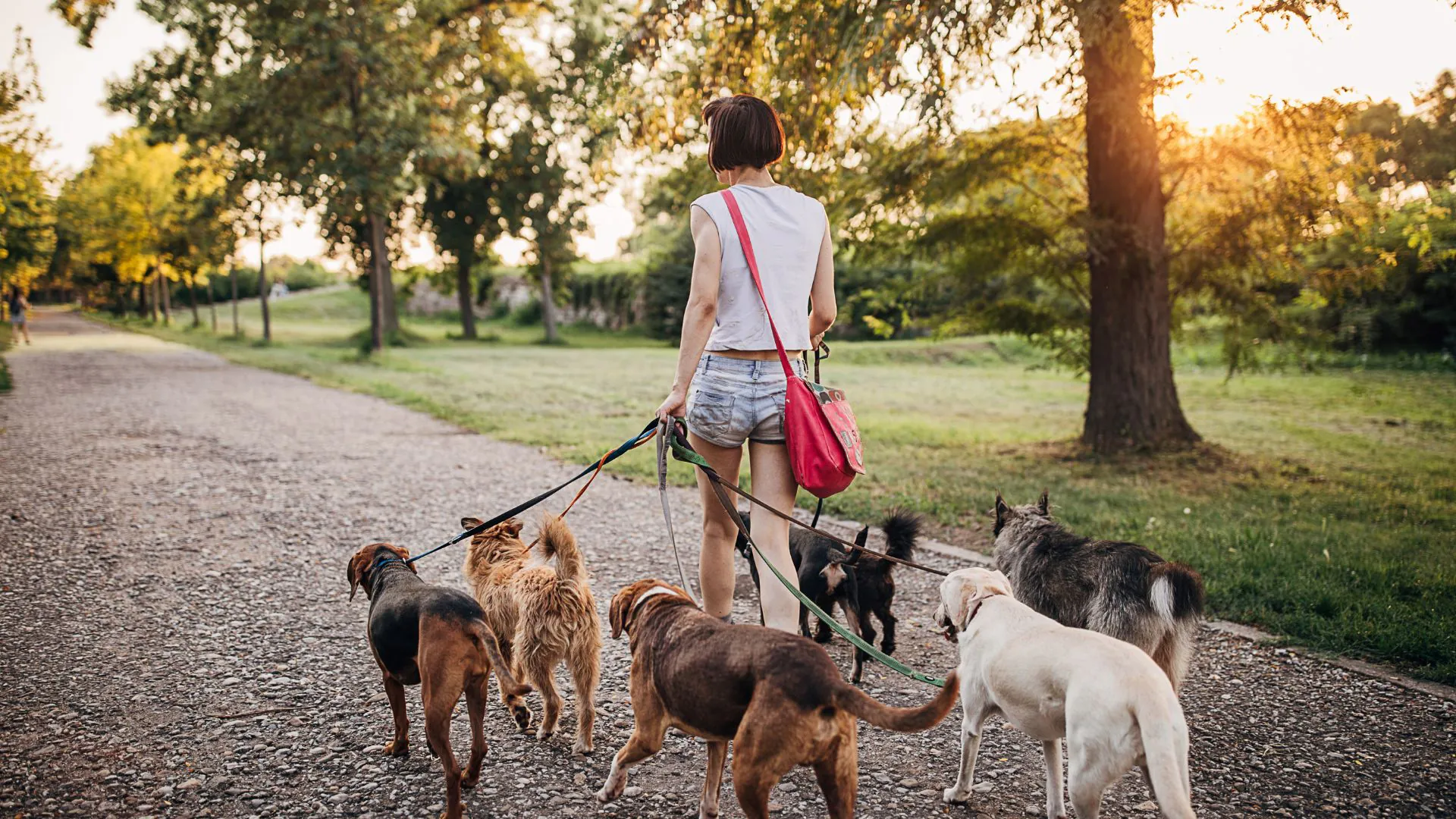

 As a dog owner in Austin, you want to keep your furry friend healthy and happy. One of the most important responsibilities is recognizing when your dog might be sick. Early detection of illness can make a significant difference in your dog’s recovery and overall well-being. Whether you’re a new pet parent or an experienced dog owner, understanding the common signs of illness can be helpful. At Walk! ATX, our professional dog walkers and trainers observe your pup during visits, which may help you notice potential health issues before they become more serious. In this guide, we’ll walk you through eight important signs that your dog may be sick and when it’s time to contact your veterinarian.
Changes in Appetite or Weight Loss
One of the earliest indicators that something might be wrong with your dog is a sudden change in eating habits. A healthy dog typically maintains a consistent appetite and stable weight. If your dog suddenly loses interest in food, eats significantly less, or refuses meals entirely, this could signal an underlying health issue.
Weight loss is equally concerning. If you notice your dog becoming noticeably thinner without any intentional dietary changes, it’s time to schedule a veterinary appointment. Changes in appetite can indicate anything from dental problems and digestive issues to more serious conditions like diabetes, kidney disease, or cancer. During professional dog walking sessions, our walkers may notice when dogs aren’t eating properly and can let you know about these changes. Our pet sitting services also provide daily observation that can help catch these warning signs early.
What should I do if my dog suddenly stops eating?
If your dog stops eating for more than 24 hours, contact your veterinarian promptly. In the meantime, you can try offering small amounts of bland food like boiled chicken or rice if recommended by your vet. Monitor for other symptoms like vomiting or lethargy. Your vet may need to run diagnostic tests to help determine the cause. If your dog is in boarding services or daycare, our staff will alert you immediately to any changes in eating habits.
Lethargy and Low Energy
Every dog has lazy days, but persistent lethargy is a red flag. A healthy dog is usually alert, playful, and interested in their surroundings. If your dog seems unusually tired, lacks enthusiasm for walks or playtime, or spends most of the day sleeping, something may be wrong.
Lethargy can indicate infections, pain, hormonal imbalances, or other serious conditions. It’s particularly important to monitor energy levels in Austin’s heat, as overheating can cause temporary fatigue, but persistent low energy even in cooler weather warrants veterinary attention. Regular dog walking and dog running services help maintain appropriate activity levels and can make it easier to notice when your pup isn’t acting like themselves. If your dog is reluctant to walk or exercise, especially during outdoor activities on Austin trails, this could indicate a health concern.
How much exercise should a healthy dog get daily?
Most adult dogs need 30 minutes to 2 hours of exercise daily, depending on breed and age. High-energy breeds often benefit from dog running services or more intensive dog walking. If your dog suddenly shows no interest in their usual exercise routine, discuss this change with your vet. Our dog training programs can also help identify whether behavioral changes are related to health issues or training needs.
Vomiting and Diarrhea
Occasional vomiting or diarrhea can happen to any dog, especially if they’ve eaten something they shouldn’t have. However, frequent or persistent vomiting and diarrhea are serious warning signs. These symptoms can indicate parasites, dietary sensitivities, infections, or gastrointestinal diseases. According to veterinary health resources, persistent digestive issues require immediate professional evaluation.
If your dog vomits more than once or has diarrhea lasting longer than 24 hours, contact your veterinarian. Repeated vomiting and diarrhea can quickly lead to dehydration, which is dangerous. Watch for additional symptoms like lethargy, loss of appetite, or blood in stool or vomit. In Austin’s warm climate, dehydration can develop faster, making prompt veterinary care especially important. Our pet sitting and boarding staff are trained to recognize these symptoms and will contact you immediately if observed.
When should I take my dog to the vet for vomiting or diarrhea?
Seek immediate veterinary care if vomiting or diarrhea is accompanied by lethargy, loss of appetite, abdominal pain, or blood. If symptoms persist beyond 24 hours without other signs, schedule a same-day appointment. Puppies and senior dogs are at higher risk for complications. Our team has extensive experience recognizing when dogs need urgent veterinary attention.
Respiratory Changes and Coughing
Coughing, wheezing, or difficulty breathing should never be ignored. While occasional coughing might be normal, persistent respiratory symptoms can indicate infections, allergies, heart disease, or other serious conditions. Pay attention to the type of cough—is it dry and hacking, or wet and productive? According to respiratory health guidelines, labored breathing is always a cause for concern.
Rapid or labored breathing, especially at rest, is a warning sign. If your dog seems to struggle for breath, pants excessively without exertion, or makes unusual breathing sounds, seek veterinary care immediately. Austin’s warm climate and air quality can sometimes contribute to respiratory issues, but persistent symptoms require professional evaluation. During dog walking and training sessions, our staff monitors respiratory function closely. This is especially important when hiking on Austin trails where exertion levels are higher.
Behavioral Changes and Unusual Aggression
Dogs are creatures of habit. Sudden changes in behavior such as withdrawal from family, increased irritability, aggression, or anxiety can indicate pain or illness. A normally friendly dog becoming withdrawn or a calm dog becoming aggressive may be experiencing discomfort or neurological issues.
Behavioral changes can also signal cognitive dysfunction in senior dogs or anxiety-related conditions. Professional dog training can help distinguish between behavioral issues and health-related problems. Trainers at Walk! ATX can often identify pain-related behavioral changes during training sessions and alert you to potential health concerns. Our certified trainers have years of experience recognizing when behavioral shifts indicate underlying health problems.
Skin and Coat Problems
Your dog’s skin and coat can offer clues about their overall health. Excessive scratching, hair loss, redness, flaky skin, or a dull coat can indicate allergies, parasites, infections, or nutritional deficiencies. Regular grooming and professional dog walking allow you to monitor your dog’s skin condition closely.
In Austin, parasites like fleas and ticks are year-round concerns. If you notice your dog scratching more than usual or see signs of parasites, address it promptly. Pet grooming services can help identify skin issues early, and walkers may spot signs of discomfort during daily activities. Our grooming team is trained to identify skin conditions that may require veterinary attention. Parasites can also be contracted during outdoor water activities, so monitoring is especially important after lake visits.
Urination and Defecation Changes
Changes in bathroom habits are important indicators of health. Increased urination or frequency of bowel movements, accidents in the house (especially in housetrained dogs), straining, or difficulty can signal urinary tract infections, diabetes, digestive issues, or other problems. Blood in urine or stool is always concerning and requires immediate veterinary attention.
Monitor your dog’s bathroom habits during walks. If you notice your dog needing to go out more frequently or showing signs of discomfort, inform your veterinarian. Professional dog walkers can help track these changes and provide useful information to your vet. Our pet sitting services also maintain detailed logs of bathroom habits that can assist your veterinarian in diagnosis.
Lumps, Bumps, and Swelling
Regularly feel your dog’s body for unusual lumps, bumps, or swelling. While not all growths are cancerous, any new or growing mass should be evaluated by your veterinarian. Check your dog’s lymph nodes (under the jaw, behind the ears, and in the armpits), as swelling here can indicate infection or disease.
During grooming and regular petting, you’re in a good position to notice these changes early. Groomers at Walk! ATX are trained to notice unusual skin growths and can alert you to anything concerning they discover during pet grooming sessions. Our professional groomers perform thorough body checks as part of every grooming appointment.
How Walk! ATX Helps Monitor Your Dog’s Health

At Walk! ATX, we believe that professional dog care includes paying attention to your dog’s overall well-being, not just exercise and training. Our team observes your dog during walks, play, and training sessions, noting changes in behavior, appetite, energy levels, and physical condition. During professional dog walking sessions, our walkers interact with your pup one-on-one, which can make it easier to notice potential health changes.
Our dog training programs can help identify pain-related behavioral issues that might indicate illness. Board and train programs provide extended observation over several weeks, offering more opportunities to spot potential concerns. For high-energy breeds, dog running services support fitness and may make it easier to see when something seems off. Regular dog walking can help reduce obesity risk and related health issues while keeping your pup mentally stimulated.
We communicate regularly with our clients about observed changes so you’re aware of any concerns. Your dog’s health and happiness are priorities, and we’re here to support you along the way. Check our testimonials to see how other Austin pet parents trust us with their dog’s care and health monitoring.
When to Call Your Veterinarian
Knowing when to seek veterinary care is important. Contact your vet immediately if your dog shows signs of severe distress, difficulty breathing, inability to urinate or defecate, seizures, uncontrolled bleeding, or signs of extreme pain. These are emergency situations that may require urgent veterinary care. According to emergency care guidelines, immediate action can be lifesaving.
Schedule a same-day appointment if your dog shows multiple symptoms, persistent vomiting or diarrhea, significant behavioral changes, or any symptom lasting more than 24 hours. For routine concerns, schedule a regular appointment. Keep your veterinarian’s contact information easily accessible, and don’t hesitate to call with questions. In Austin, many veterinary clinics are available for both routine and emergency care.
Remember, you know your dog best. If something feels wrong, trust your instincts and contact your veterinarian. Early detection and prompt treatment can make a meaningful difference in your dog’s health and recovery. Our Austin pet care team is here to support you in maintaining your dog’s wellness between veterinary visits.
Ready to Support Your Dog’s Care?
Ready to give your dog the professional care and attention they deserve? At Walk! ATX, our team of dog walkers, trainers, and caregivers is committed to keeping your pup active, engaged, and well-cared-for. Whether you need daily dog walking, dog training, an intensive board and train program, or dog running services for high-energy breeds, we’re here to support your dog’s routine and well-being.
Contact Walk! ATX today at (512) 655-9557 or visit us at 7710 Cloudberry Cir. Austin, TX 78745. Schedule your free meet-and-greet and let’s make your dog the newest member of our pack!