

With Central Texas summers bringing prolonged heat and occasional triple-digit days, keeping your dog comfortable takes more than fresh water and shaded walks. A thoughtful grooming routine can help remove loose coat, reduce tangles, keep debris from accumulating, and make it easier to spot skin or coat concerns early.
However, a shorter haircut is not automatically the right answer for every dog. A dog’s breed, coat type, age, activity level, skin health, and individual needs all matter. If you are unsure whether your dog should be trimmed, clipped, or shaved, speak with your veterinarian or a qualified groomer before making a major coat change.
Here is a practical guide to building a grooming schedule for your dog during Austin’s hottest months.
1. Understand Your Dog’s Coat Type: Shaving vs. Brushing
How often and how you groom your dog depends heavily on their coat type.
Double-Coated Breeds
Golden Retrievers, Huskies, German Shepherds, Corgis, and many similar breeds have a double coat. Their outer guard hairs and softer undercoat serve different functions, including weather protection.
- Recommended schedule: Regular brushing at home, often weekly or more frequently during seasonal shedding periods. A professional bath and de-shedding service may be helpful every four to eight weeks, depending on coat condition, shedding, and your groomer’s recommendation.
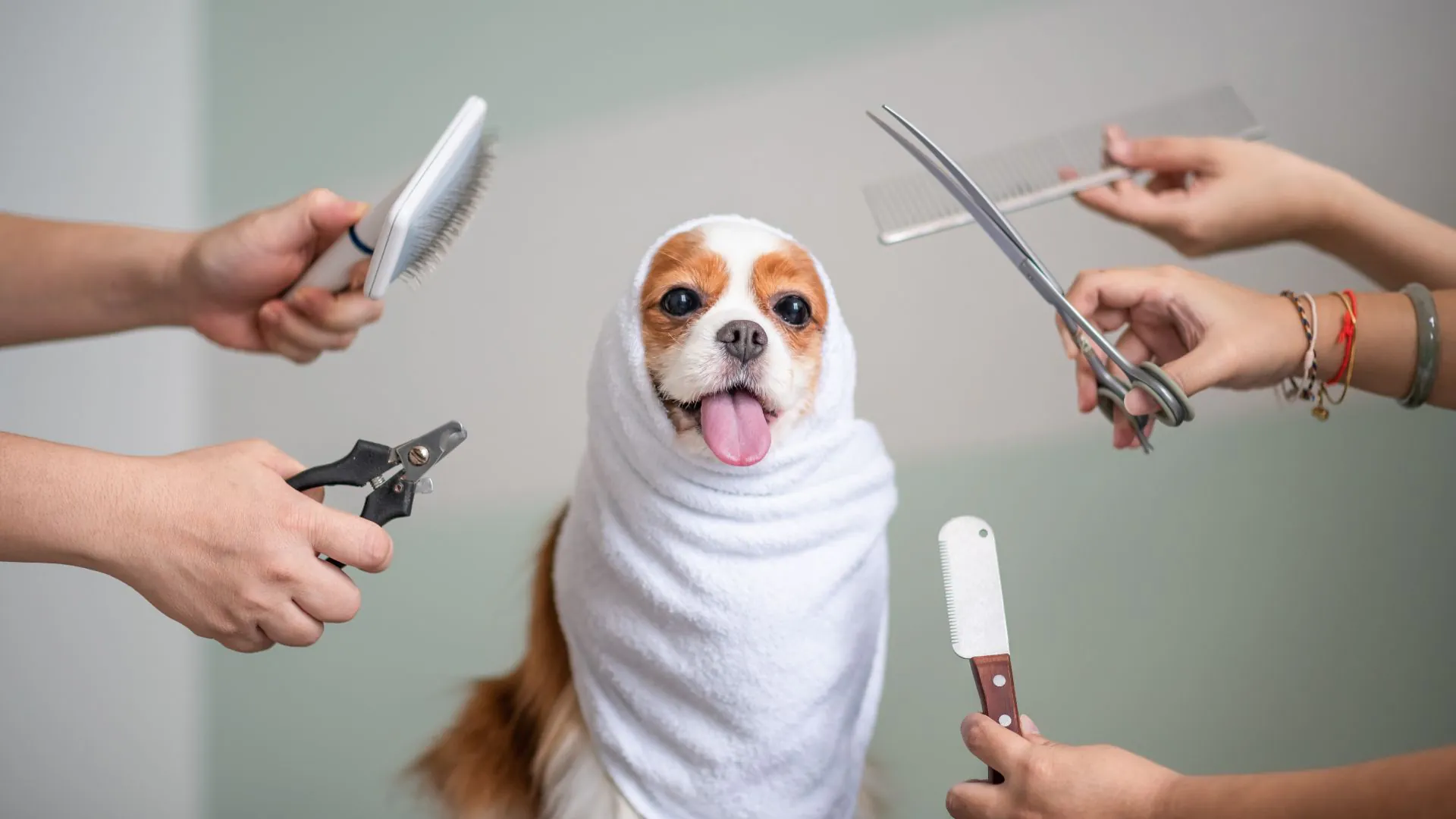
- Important consideration: Avoid shaving or closely clipping a double-coated dog unless a veterinarian or qualified groomer recommends it for a specific health, hygiene, or matting-related reason. Removing too much coat can alter how the coat regrows and may leave skin more exposed to the sun.Instead, focus on removing loose undercoat, preventing mats, and keeping the coat clean and well brushed. Walk! ATX offers professional dog grooming services, including full grooms, mini grooms, baths, brush-outs, paw-pad shaves, face trims, and sanitary trims.
Single-Coated and Continuous-Growth Breeds
Poodles, Doodles, Yorkies, Shih Tzus, and similar dogs often need more frequent professional grooming because their hair can continue growing and may mat without regular maintenance.
- Recommended schedule: A professional haircut every four to eight weeks, depending on coat length, lifestyle, brushing habits, and the dog’s individual needs.
- Summer care tip: Ask your groomer for a manageable trim that still leaves enough coat to protect sensitive skin. The right length varies by dog, so avoid assuming there is one universally safe length for every breed or coat type.
Short-Haired Breeds
Boxers, Pugs, Labradors, Pit Bulls, and many other short-coated dogs may not need haircuts, but they can still benefit from routine baths, brushing, nail care, and skin checks.
- Recommended schedule: Regular at-home brushing, with baths and professional grooming support as needed based on shedding, activity, skin condition, and odor. Many dogs benefit from a bath and brush-out approximately every four to eight weeks, but excessive bathing can dry or irritate some dogs’ skin.
- Summer care tip: A bath and brush-out can help remove loose hair, dust, pollen, and outdoor debris. If your dog has persistent itching, redness, odor, ear discomfort, or skin changes, contact your veterinarian rather than relying on grooming alone.
2. Why Austin’s Summer Climate Can Affect Grooming Needs
Central Texas heat, outdoor activity, pollen, and swimming can all influence how frequently your dog needs grooming and at-home maintenance.
Pollen, Dust, and Outdoor Debris
Austin can have seasonal allergens and airborne debris throughout the year. Regular brushing and bathing can help remove pollen, dust, and dirt from your dog’s coat. If your dog shows persistent itching, licking, redness, recurrent ear issues, or skin irritation, consult a veterinarian to identify the cause and determine the safest treatment plan.
Walk! ATX notes that its grooming services can include specialized rinses for dogs affected by seasonal skin irritation.
Swimming and Moisture
Dogs that swim in pools, creeks, lakes, or other outdoor water sources may need extra coat and ear care. After swimming, rinse your dog with clean water when appropriate, dry the coat thoroughly, and follow your veterinarian’s guidance for ear care. Moisture in the ears or under a dense coat can contribute to irritation or infection in some dogs.
Avoid inserting cotton swabs or unapproved products into your dog’s ears. If you notice head shaking, ear odor, redness, discharge, or sensitivity, contact your veterinarian.
Mats and Dense Undercoat
Mats can pull on the skin and make coat care more difficult. Dense, compacted fur may also hold moisture and debris close to the skin. Regular brushing and professionally addressing mats early can help keep the coat manageable and allow better airflow around the skin.
For dogs that spend time outside during hot weather, keep walks short during peak heat, prioritize shade and grass, and check paw pads after outings. Walk! ATX recommends the back-of-the-hand pavement test for seven to 10 seconds before walking on hot surfaces. Walk! ATX’s hot pavement safety guide offers more warm-weather walking guidance.
3. Between-Grooming Maintenance Checklist for Pet Parents
To help keep your dog comfortable between professional grooming appointments, build a consistent at-home routine.
- Check paws and coat after walks: Look for stickers, burrs, matted fur, cuts, irritated skin, or signs of discomfort after outdoor time.
- Dry your dog after swimming or bathing: Towel-dry the coat thoroughly, paying particular attention to dense fur, skin folds, and paws.
- Follow veterinarian guidance for ear care: Use only veterinarian-approved products and methods, especially if your dog has a history of ear infections.
- Brush consistently: The right frequency depends on coat type. Dogs with longer, curlier, or double coats often need more frequent brushing than short-haired dogs.
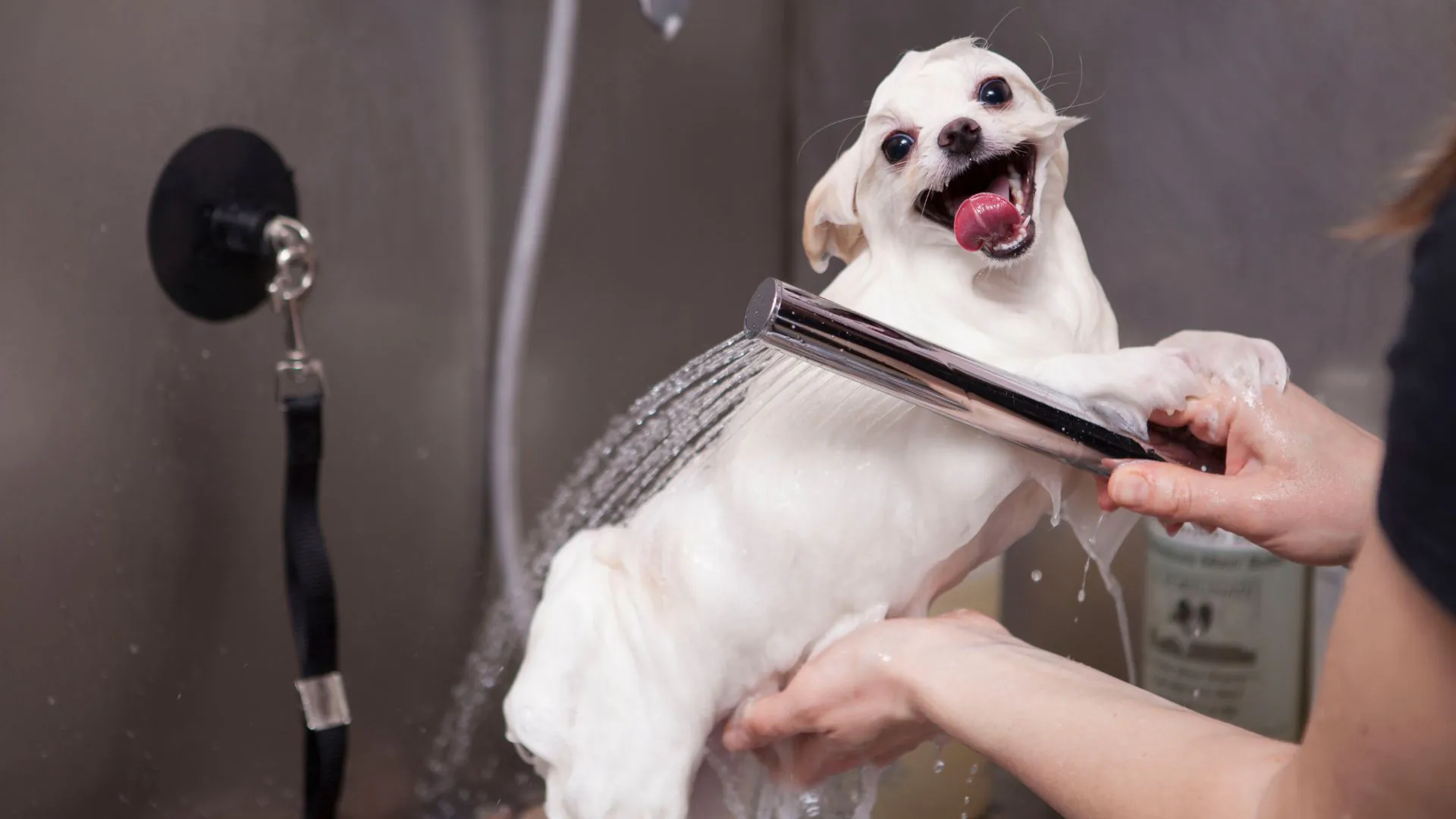
- Use dog-specific shampoo: Choose products intended for dogs and avoid bathing more frequently than your veterinarian or groomer recommends, since over-bathing can irritate or dry the skin.
- Schedule professional maintenance before mats develop: Regular grooming can make visits more comfortable and reduce the chance that extensive coat removal will be needed.
Keep Your Dog Cool and Fresh with Walk! ATX
Proper coat care, safe walks, hydration, shade, and attention to your dog’s individual needs all contribute to a more comfortable summer in Central Texas.
Whether your dog needs a bath and brush-out after a trail adventure, a full groom or trim, or transportation to a veterinary or grooming appointment, Walk! ATX can help. Its pet taxi service provides door-to-door transportation across Austin for veterinary appointments, grooming visits, daycare drop-offs, and other pet-care needs.
Ready to give your dog personalized care? Contact Walk! ATX to schedule a free Meet & Greet.