

For many active dog owners, the daily walk is more than just a chore—it is a workout, a meditation session, or a social outing. However, the traditional handheld leash can sometimes feel like a literal tether that limits your movement, especially if you enjoy jogging, hiking, or even just carrying a cup of coffee. This has led to the rising popularity of the hands free dog leash.
A hands-free system typically consists of a belt worn around the human’s waist connected to a lead that attaches to the dog’s harness or collar. While the concept is simple, switching to this gear involves more than just a fashion statement; it requires an understanding of the mechanics, safety protocols, and the specific training needs of your dog. As experts in dog walking and dog training, Walk! ATX has put together this comprehensive guide to help you decide if going hands-free is the right move for your lifestyle.
How Does a Hands-Free Dog Leash Work?
The primary difference between a standard leash and a hands-free model is the point of contact. In a traditional setup, any force exerted by the dog is felt in your hand, wrist, and shoulder. With a hands free dog leash, that force is transferred to your waist and hips—your body’s center of gravity.
Anatomy of a Hands-Free System
- The Waist Belt: Usually adjustable and padded, this is the anchor of the system. High-quality belts feature a quick-release buckle for emergencies.
- The Lead: Most hands-free leashes utilize a “bungee” section. This elasticized cord acts as a shock absorber, preventing a sudden lunge from jerking the walker’s spine or the dog’s neck.
- Connection Points: Professional-grade leashes often feature a sliding carabiner or D-ring on the belt, allowing the dog to move from side to side without rotating the belt around your waist.
- Traffic Handles: These are loops located near the dog’s collar that allow you to grab the leash manually when you need tight control, such as when crossing a street or passing other dogs in a crowded environment.
The Benefits of Going Hands-Free
1. Natural Bio-mechanics for Runners
If you are interested in dog running services, a hands-free lead is almost essential. Running with a handheld leash forces one arm to stay static, which can lead to muscle imbalances, shoulder pain, and a restricted gait. A waist-worn leash allows for a natural arm swing, which improves cardiovascular efficiency and reduces the risk of injury for the human runner.
2. Enhanced Stability and Power
By attaching the dog to your core, you are much harder to pull over. Your hips and legs are significantly stronger than your arms and shoulders. This added stability is particularly helpful on hiking trails where you might need your hands for balance or to navigate rocky terrain.
3. Multi-Tasking and Convenience
Whether you are navigating a local farmers market or simply trying to pick up after your pet, having both hands free makes the logistics of pet ownership much simpler. It also allows you to use your hands for positive reinforcement training, as you can easily access treats and clickers without fumbling with a leash handle.
4. Better Management of Multiple Dogs
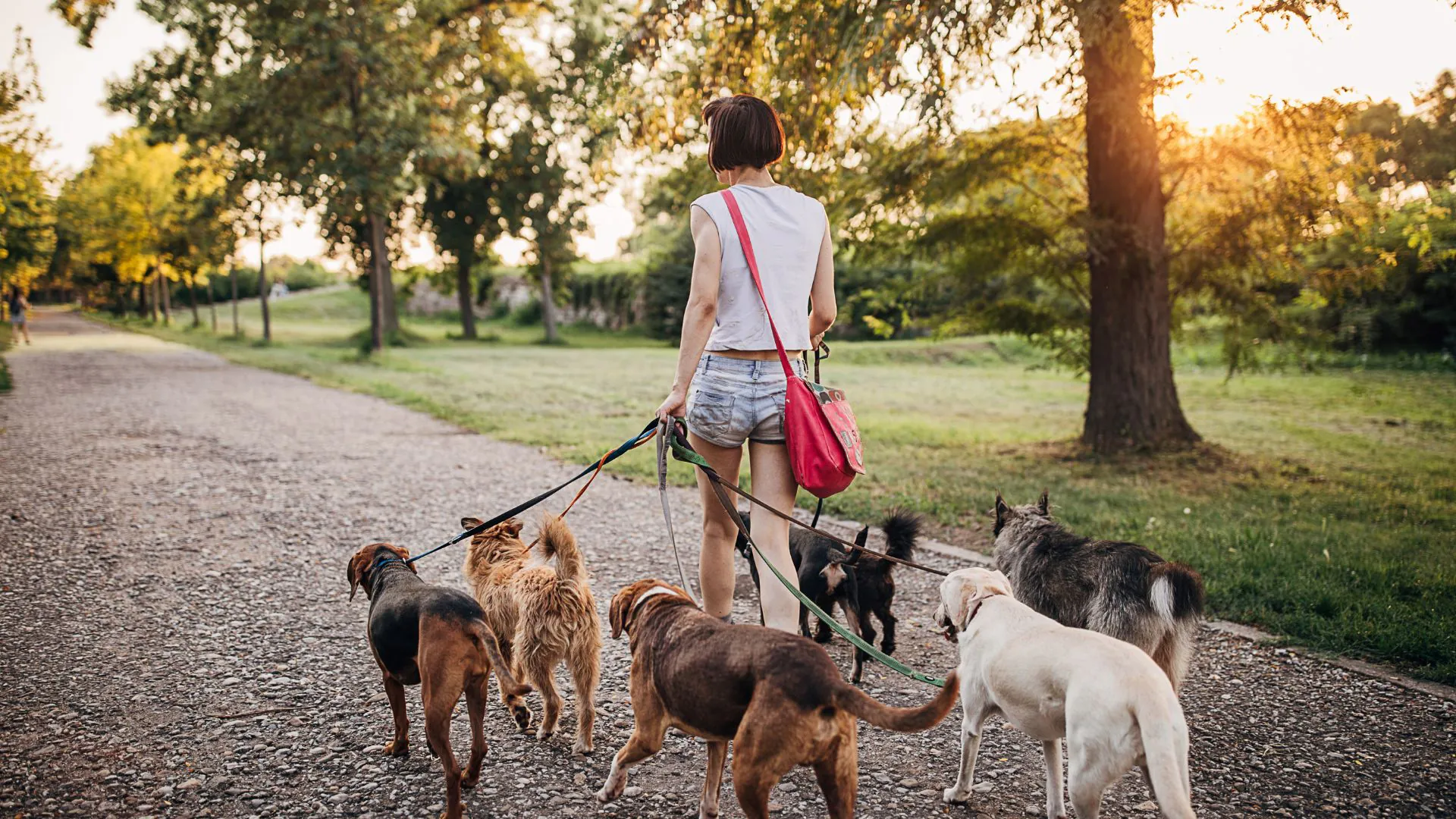
For those walking multiple pets, a hands-free leash can be a lifesaver. By attaching the “calmest” or best-trained dog to your waist, you can focus your manual attention on the dog that requires more active steering or leash etiquette reminders.
The Risks and Considerations
While the freedom is enticing, the hands free dog leash is not a “magic fix” for bad behavior. In fact, if used with an untrained dog, it can potentially be more dangerous than a standard leash.
1. The Lunge Factor
If a 70-pound dog catches sight of a squirrel and lunges while attached to your waist, the force can be enough to pull a smaller adult off their feet. Because you aren’t “holding” the leash, you may have less reaction time to brace yourself. This is why reliable obedience training is a prerequisite for this gear.
2. Potential for Tangling
On busy urban sidewalks or narrow nature paths, a bungee leash can extend further than a standard 6-foot lead. This creates a tripping hazard for cyclists, runners, and other walkers. Users must be proactive in using the traffic handles to “shorten” the leash in high-traffic zones.
3. Reduced Communication
Handheld leashes provide a direct line of “tactile communication” between owner and dog. You can feel the slightest tension when your dog is about to stop, sniff, or lunge. Shifting that connection to the waist mutes these subtle signals, requiring the owner to be much more visually observant of the dog’s body language.
Is Your Dog a Candidate for a Hands-Free Leash?
Before making the switch, assess your dog’s current skill level. A hands free dog leash is best suited for dogs that have already mastered the following:
- Loose-Leash Walking: Your dog should already know how to walk without constant tension. If they are a “perpetual puller,” the waist belt will likely cause you back pain.
- Solid Impulse Control: They should be able to see distractions (other dogs, cars, wildlife) without a violent physical reaction.
- Command Responsiveness: They should respond to verbal cues like “heel,” “slow,” or “this way” since you won’t be using the leash to “steer” them as often.
If your dog hasn’t reached these milestones yet, our dog training services can help bridge the gap before you transition to hands-free gear.
Safety Tips for Using a Hands-Free Leash
If you decide to make the switch, follow these safety protocols to ensure a positive experience:
Pair with a Harness
Always use a hands-free dog leash with a high-quality harness rather than a neck collar. A sudden jolt on a waist leash can cause significant neck or tracheal injury if the dog is only wearing a collar. A front-clip harness can also help mitigate pulling.
Check the Weather
Because hands-free walking often encourages more vigorous exercise, it is vital to monitor the conditions. During hot summer months, always refer to a temperature safety chart to avoid overheating and protect your dog’s paws from hot pavement.
Observe Local Regulations
Even with a hands-free setup, you must abide by local leash laws. Most public parks and trails require dogs to be on a leash no longer than 6 feet. Ensure your hands-free lead complies with these length requirements.
How Walk! ATX Can Support Your Journey
Transitioning to a new gear can be intimidating, but you don’t have to do it alone. At Walk! ATX, we specialize in helping owners and dogs find their rhythm together.
- Leash Manners Training: We offer leash training methods that focus on building the focus and impulse control necessary for hands-free success.
- Professional Running Services: If you want your dog to enjoy the benefits of a hands-free run but aren’t ready to do it yourself, our professional dog runners are experts in using this gear safely.
- Comprehensive Care: From pet sitting to dog boarding, we provide the supervision and exercise your dog needs to stay happy and healthy.