
 Knowing how to introduce two dogs to one another is a major milestone, whether you are bringing a new puppy home, planning a playdate with a neighbor, or moving in with a partner who also has a pet. While some dogs are naturally social, others require a more measured, structured approach. A rushed or poorly handled introduction can lead to fear, reactivity, or even aggression, which can take months of training to undo.
At Walk! ATX, our professional dog walkers and certified trainers navigate canine dynamics every day. The secret to a successful first meeting lies in patience, controlled environments, and a deep understanding of canine body language. Here is our comprehensive, step-by-step guide to introducing dogs safely.
The Golden Rule: Neutral Territory
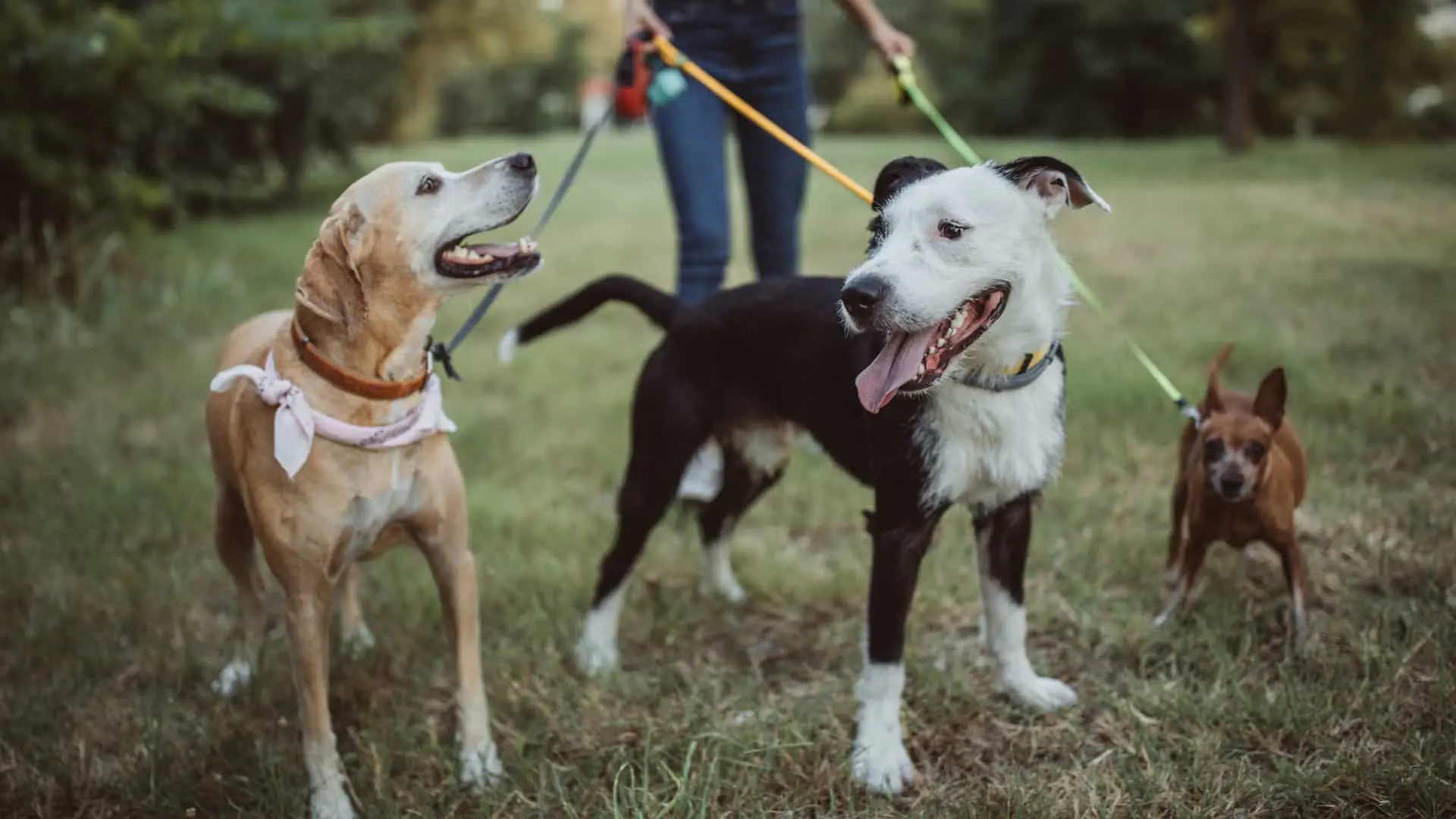
The absolute most critical factor when introducing dogs to each other is the location. Avoid introducing two unfamiliar dogs inside your home or in your own backyard. Dogs are naturally territorial creatures. If a new dog suddenly walks into their home space, the resident dog’s natural instinct is often to protect their resources (toys, food, and humans) rather than socialize.
Ideal Neutral Locations in Austin
Look for a completely neutral outdoor space that neither dog has “claimed” as their own:
- A Quiet Neighborhood Sidewalk: Walking parallel down a calm street is an exceptional way to break the ice.
- Large Church Parking Lots or Corporate Parks: On weekends, these expanses offer wide spaces and clear sightlines, letting you maintain a safe distance.
- Open Public Parks (On-Leash Only): Choose a spacious, low-traffic area. Avoid high-volume areas like the “Great Lawn” at Zilker Park or the packed trails of the Barton Creek Greenbelt, where unexpected off-leash dogs might disrupt your controlled environment.
Step 1: The Parallel Walk (The Warm-Up)
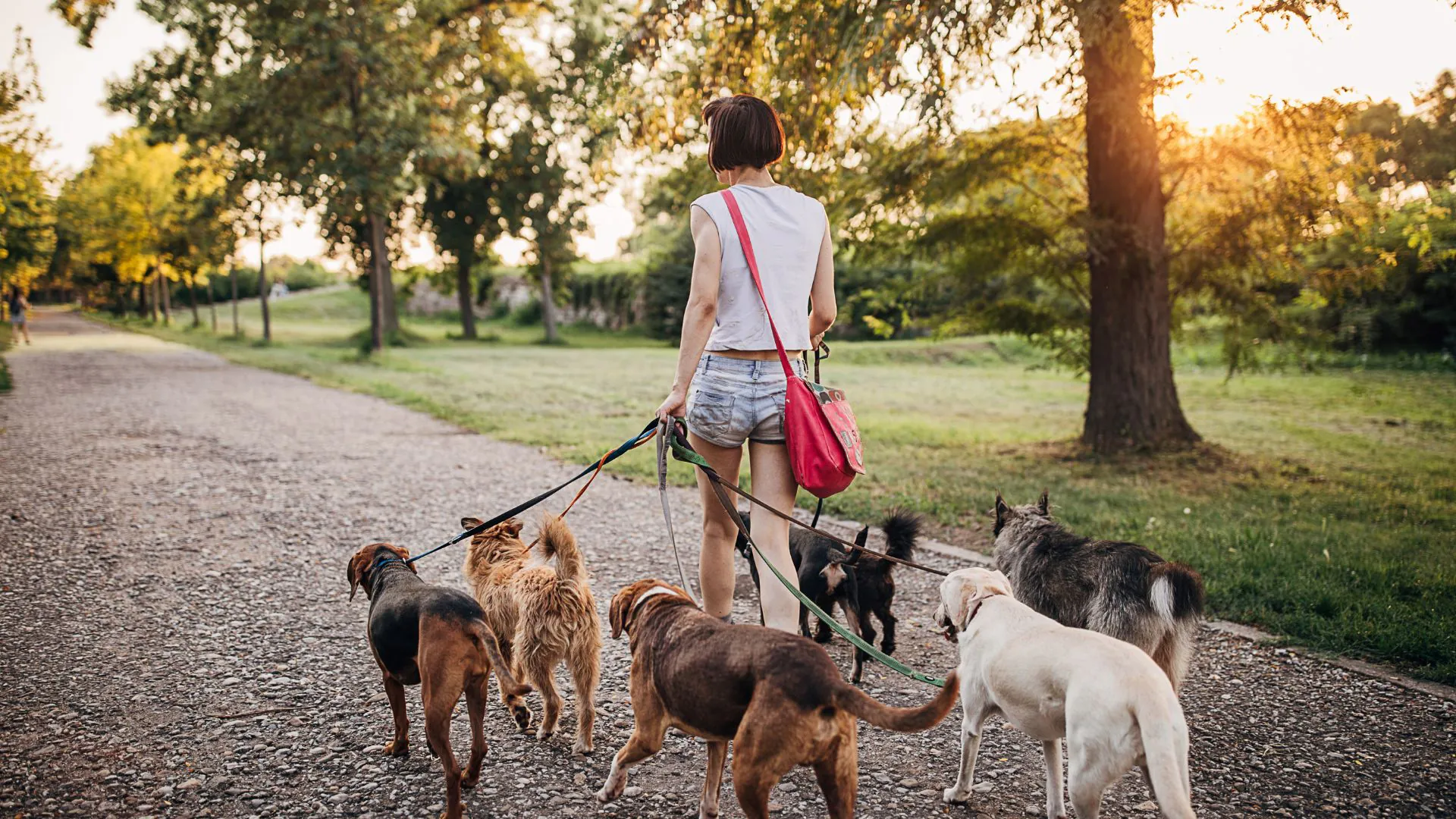
The best introduction is one where the dogs don’t actually touch right away. Instead, start with a parallel walk on sturdy, fixed-length leashes.
- Maintain Distance: Have two handlers start walking the dogs in the same direction, but on opposite sides of a wide street or a large park field (about 20 to 30 feet apart).
- Walk with a Purpose: Keep moving forward. Forward motion gives the dogs a task to focus on and prevents them from hyper-focusing or locking eyes on one another.
- Reward Calm Behavior: As the dogs walk calmly without barking or lunging, offer them high-value treats. This builds a positive association: “When that other dog is around, good things happen to me.”
- Decrease the Gap: If both dogs show relaxed body language, gradually shorten the distance between them until they are walking on the same sidewalk, with one dog slightly ahead of the other. Switch who is leading so both dogs get a chance to sniff the air trailing behind the other.
Step 2: The Brief “Three-Second” Sniff
Once the dogs have walked peacefully side-by-side for 10 to 15 minutes and are showing relaxed body language, they may be ready for direct contact.
- The Curve Approach: Avoid a head-on, straight-line approach, which can feel confrontational in dog language. Instead, walk them toward each other in a slight arc or curve.
- The 3-Second Rule: Allow the dogs to sniff each other’s rears or flanks for no more than three seconds. Sniffing the rear is polite canine etiquette; staring face-to-face is not.
- Call Away and Reward: After three seconds, cheerfully call both dogs away (“Let’s go!”), step back, and reward them with treats. Interrupting the interaction before it can escalate prevents tension from building up.
- Repeat: Repeat these brief, positive interactions several times, gradually letting them sniff for slightly longer intervals if they remain relaxed.
Step 3: Reading Canine Body Language
During the introduction, the handlers must keep a close eye on both dogs’ body language to determine when to move forward or when to take a step back.
Signs that Mean “Green Light” (Relaxed & Social)
If you observe these behaviors, it means both dogs are comfortable and you can safely proceed with the introduction:
- Loose, fluid, and wiggly body movements with soft, side-to-side tail wags.
- Open mouths with relaxed, neutral facial expressions that look almost like a smile.
- Clear invitations to play, such as “play bows” where the dog places their front elbows on the ground while keeping their rear in the air.
- Polite sniffing focused entirely on the other dog’s flank, tail base, or rear.
Signs that Mean “Red Light” (Tense & Stressed)
If you notice any of these warning signs, it means tension is building. You should immediately increase the distance between the dogs and return to parallel walking:
- A stiff, frozen body posture or a tightly held tail that is vibrating or wagging rigidly.
- Tightly closed mouths, persistent lip licking, whale eye, or low, quiet growls.
- Staring intensely at the other dog without breaking eye contact or blinking.
- Raised hackles, which is when the hair stands straight up along the spine or shoulders.
Step 4: Moving Indoors Safely
Only move the introduction inside the home once the dogs are completely relaxed around each other outside.
- Put Away High-Value Items: Before the dogs enter, hide all food bowls, bones, chew toys, and favorite dog beds. This completely eliminates the risk of resource guarding.
- Keep Leashes On (But Dropped): Let the dogs explore the house with their leashes attached but trailing behind them. If tension suddenly flares up, you can safely grab the end of a leash without putting your hands near a dog’s mouth.
- Use Baby Gates: If you are bringing a new pet home permanently, use baby gates to give each dog their own dedicated “safe zone” for the first few days. Separating them during meal times or when you leave the house is essential for long-term harmony.
How Walk! ATX Can Support Your Multi-Pet Household
Introducing dogs can be a stressful process, but you don’t have to manage it alone. At Walk! ATX, we specialize in professional behavioral management, helping Austin pets build confident, harmonious relationships.
- Expert Behavioral Training: Our personalized dog training services focus on building focus and impulse control, preparing your pup for seamless socialization experiences.
- Structured Walk Logistics: If you are managing a household with multiple pets, our experienced walkers can provide separate individual walks or structured pack sessions tailored to your dogs’ comfort levels.
- Safe Day Camp & Boarding: If you need to give a resident dog a break while a new pet adjusts, our day camp and overnight boarding services offer highly supervised, structured outlets for energy.
Ready to set your dogs up for a lifetime of friendship?