




You might think your senior dog has earned the right to spend their golden years lounging on the couch, but the truth is quite different. While older dogs do need modifications to their exercise routine, regular walks remain essential for their physical and mental well-being. At Walk! ATX Pet Care Pet Care, we understand that walking senior dogs isn’t about pushing them to their limits; it’s about adapting your approach to meet their changing needs.
Understanding Your Senior Dog’s Exercise Needs
The term “senior dog” doesn’t apply at the same age for every breed. Giant breeds like Great Danes reach their senior years around 6-7 years old, while large breeds enter this stage at 7-8 years. Medium-sized dogs become seniors around 8-10 years, and small breeds don’t reach senior status until 11-12 years of age. However, your dog’s individual health matters far more than their chronological age.
Most senior dogs benefit from 30-60 minutes of exercise per day, split into multiple shorter sessions rather than one long walk. Age alone isn’t a reason to stop exercising your dog. Consistency is more important than intensity, and the key is watching for signs of overexertion, including excessive panting, stiffness after walks, or reluctance to continue.
Benefits of Walking Your Senior Dog
Regular walks provide numerous benefits that become even more critical as dogs age. For joint health, gentle walking maintains mobility and can help manage arthritis symptoms by keeping joints lubricated and muscles engaged. Many pet owners worry that walking will worsen their dog’s arthritis, but the opposite is often true when done correctly.
Weight management is another crucial benefit. Senior dogs tend to be less active overall, making weight gain common. Those extra pounds put additional stress on aging joints. Regular walks help maintain a healthy weight and reduce strain on your dog’s body.
Walking also prevents muscle atrophy and provides essential mental stimulation that reduces cognitive decline. The sights, sounds, and smells of a walk engage your senior dog’s mind and provide the routine and outdoor stimulation they crave.
How to Adapt Walks for Senior Dogs
Successfully walking senior dogs requires thoughtful adjustments to your routine. Our experienced team at Walk! ATX Pet Care Pet Care has worked with countless senior dogs throughout Austin, and we’ve learned what works best for aging pets.
Duration and Frequency: Instead of one 45-minute walk, try breaking exercise into shorter sessions throughout the day. A schedule of 10-15 minutes in the morning, 10 minutes in the afternoon, and 20-30 minutes in the evening often works well.
Terrain Selection: Choose your walking surfaces carefully. Flat, level sidewalks are ideal, but soft surfaces like grass, sand, or soil are even better for aging joints. Avoid steep hills, rocky landscapes, and rugged terrain. In warm weather, hot asphalt and gravel can burn sensitive paw pads. Familiar routes also help dogs with hearing or sight loss feel safer—something we always consider when planning walks for our senior clients in Austin neighborhoods.
Weather and Temperature: Senior dogs are more sensitive to temperature extremes. Cold weather and damp air can worsen arthritic joints, making mid-day walks ideal during cooler months. In summer, schedule walks for early morning or evening to avoid extreme heat. Consider protective booties for traction and paw protection.
Pace and Rest: Let your senior dog set the pace rather than maintaining your usual walking speed. Allow frequent rest stops and plenty of time for sniff breaks. Pay close attention to body language. If your dog lags behind, sits down frequently, or pants heavily, it’s time to head home.
Signs Your Senior Dog May Need Extra Support
Watch for these indicators that your senior dog may be struggling: difficulty standing up or lying down, stiffness (especially after rest), limping or favoring one leg, reluctance to go on walks, excessive panting or labored breathing, and slowing down significantly during walks.
Before starting any new exercise program, consult your veterinarian. If you notice sudden changes in mobility, schedule an appointment promptly. Senior dogs should see their vet at least every six months for wellness checks to discuss pain management options for arthritis and other age-related conditions.
Professional Dog Walking Services for Senior Dogs
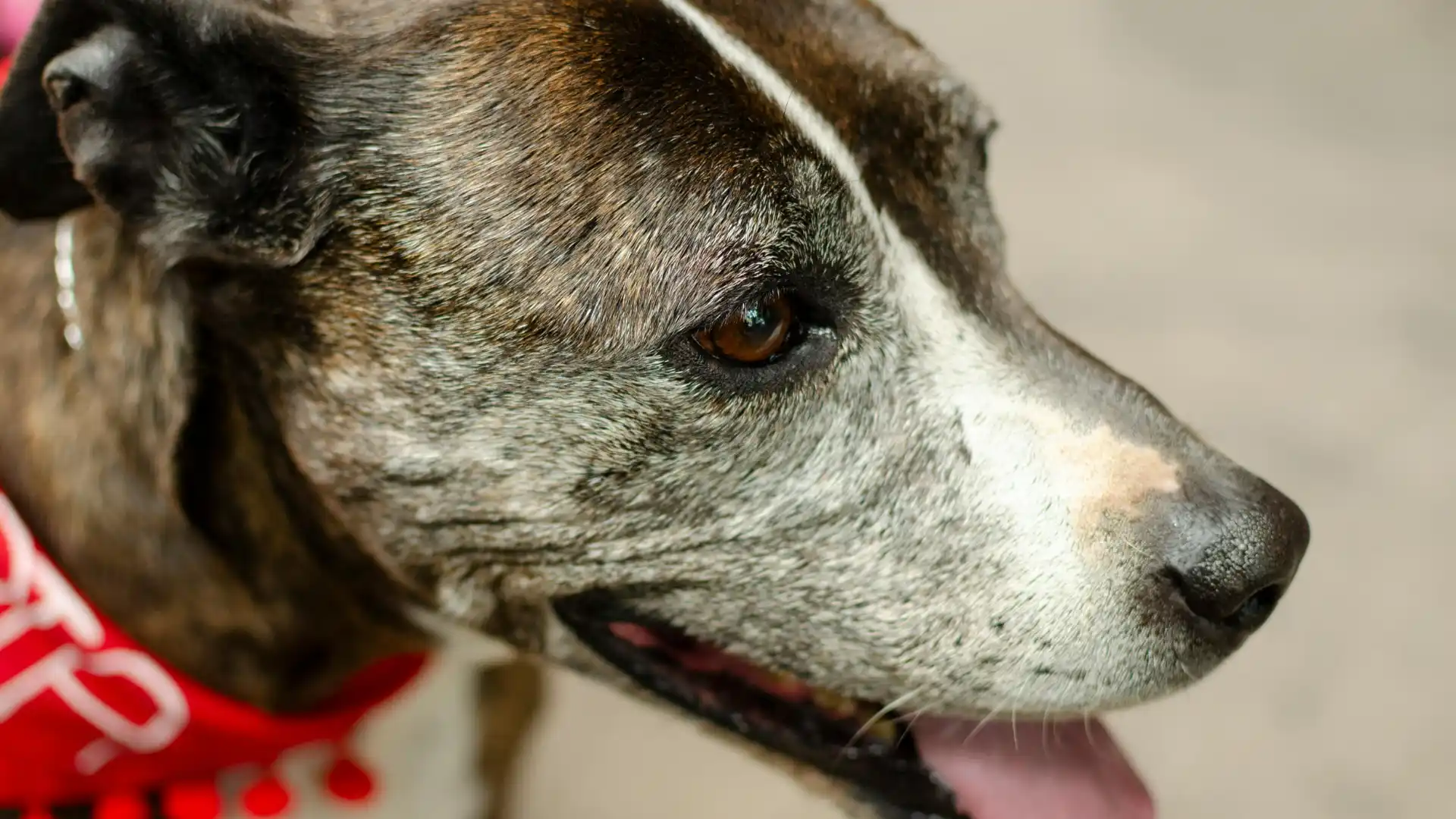 Professional dog walkers can be invaluable for senior dogs, especially when owners work during the day. At Walk! ATX Pet Care Pet Care, our experienced walkers understand the unique needs of aging pets and can provide consistent mid-day exercise that keeps senior dogs healthy. We offer customized services based on your individual dog’s abilities, adjusting pace, duration, and route as needed.
Working with professional services means your senior dog receives expert care tailored to their specific needs. We take the time to understand each dog’s limitations, preferences, and health concerns, providing peace of mind that your aging companion is in capable, caring hands. Our team is trained to recognize signs of discomfort or fatigue and will always prioritize your pet’s well-being over completing a predetermined route.
Frequently Asked Questions About Walking Senior Dogs
Q: How long should I walk my senior dog?
A: Most senior dogs benefit from 30-60 minutes of exercise per day, split into shorter 10-20 minute walks rather than one long session. This prevents fatigue while maintaining consistent activity levels.
Q: Can walking help my senior dog’s arthritis?
A: Yes! Regular, gentle walking helps maintain joint mobility and can reduce arthritis symptoms. The key is low-impact exercise on soft surfaces at a comfortable pace.
Q: What if my senior dog refuses to walk?
A: Consult your veterinarian to rule out pain or underlying health issues. You may need to shorten walks, change routes, or consider mobility aids like harnesses.
Q: Should I walk my senior dog every day?
A: Yes, daily walks are important for senior dogs’ physical and mental health. Consistency is key, even if walks are much shorter than they used to be.
Q: What’s the best time of day to walk a senior dog?
A: Mid-day is often ideal in cooler months when temperatures are warmest. In summer, early morning or evening walks help avoid extreme heat.
Join the Walk! ATX Pet Care Pack
Walking senior dogs requires a different approach than exercising younger pets, but it remains just as important for their health and happiness. By adjusting duration, frequency, terrain, and pace to match your aging dog’s abilities, you can help them stay physically fit and mentally sharp well into their golden years.
If you’re seeking professional support with your senior dog’s exercise routine in Austin, Walk! ATX Pet Care is here to help. Our experienced team understands the special care senior dogs need and is committed to providing gentle, attentive service that keeps your aging companion active and happy. Contact us today to learn more about our senior dog walking services.